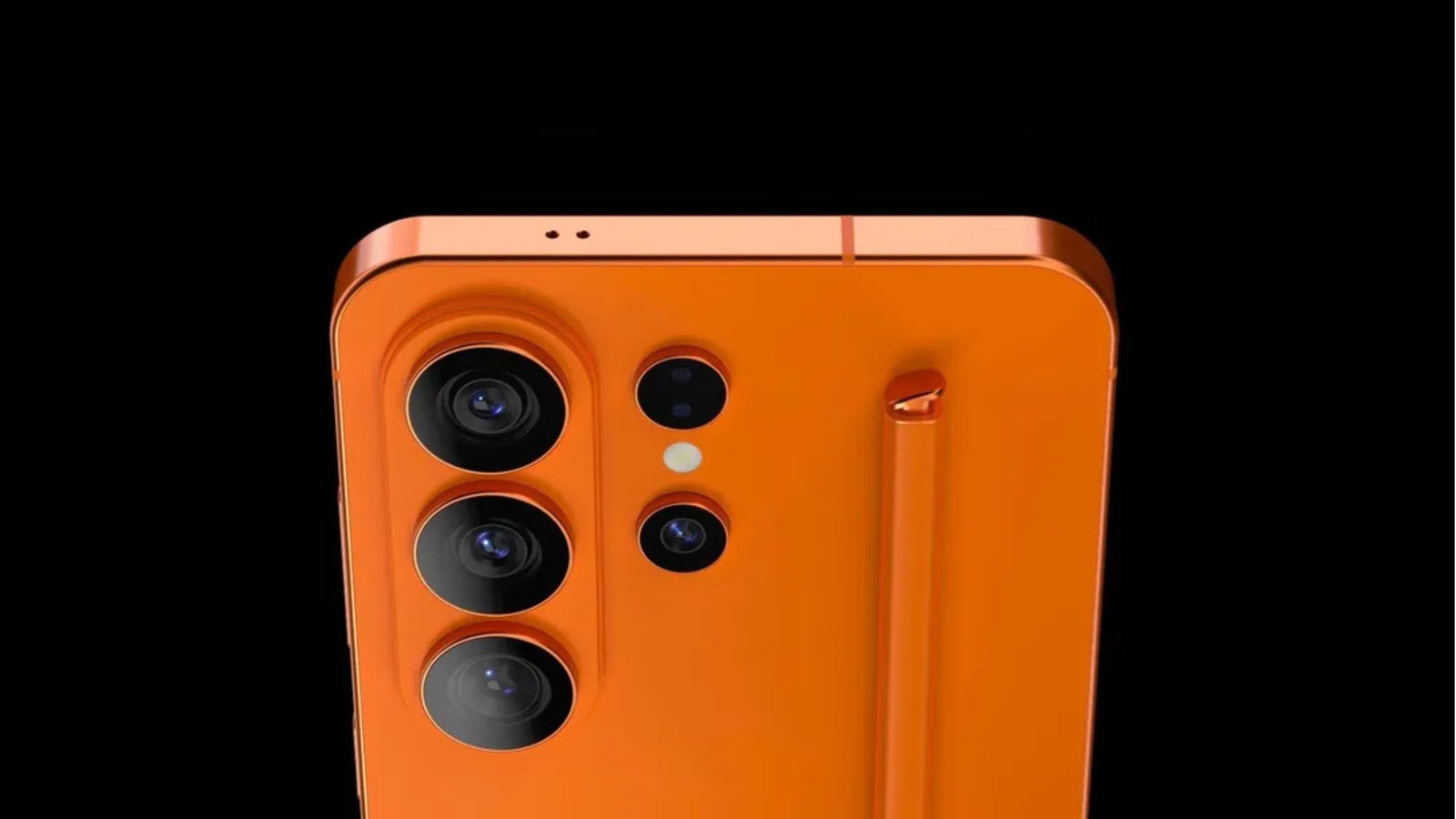
A new leak surrounding Samsung’s upcoming Galaxy S26 Ultra suggests the company may be preparing to introduce a built-in “Privacy Display” feature—an innovation that could significantly improve on-the-go security for smartphone users. While Samsung has not officially confirmed the feature, early details from industry sources indicate that the Galaxy S26 Ultra could include advanced screen technology designed to limit viewing angles and protect sensitive information from prying eyes.
If accurate, this development would mark one of the most practical hardware upgrades in recent Galaxy Ultra history, shifting focus from just camera and performance improvements to everyday usability and digital privacy.
What Is a Privacy Display?
A privacy display typically reduces the viewing angle of a screen so that content is clearly visible only to the person directly in front of it. Anyone looking from the side sees a darkened or distorted screen, making it difficult to read messages, emails, banking information, or other sensitive data.
Currently, smartphone users who want this level of privacy must rely on third-party screen protectors with built-in privacy filters. While effective, those accessories often reduce brightness, affect color accuracy, and diminish overall display clarity. Integrating this feature directly into the display hardware could eliminate many of those drawbacks.
According to the leak, Samsung may be working on a system-level privacy mode that users can toggle on or off, rather than a permanently restricted viewing angle. That flexibility would be key to making the feature practical in everyday situations.
A Smart, Switchable Approach
One of the most interesting aspects hinted at in the leak is the possibility of a dynamic privacy mode. Instead of relying on a static privacy filter layer, the Galaxy S26 Ultra may use advanced OLED panel engineering combined with software controls.
This would allow users to activate privacy mode when needed—such as during travel, meetings, or commuting—and turn it off when sharing content with friends or watching videos.
If Samsung manages to maintain high brightness and color accuracy while privacy mode is enabled, it could solve one of the biggest issues associated with traditional privacy screen protectors. For a device expected to feature one of the best smartphone displays on the market, maintaining visual quality would be critical.
Why This Feature Matters Now
Smartphones have evolved into digital wallets, workstations, and personal archives. From banking apps and confidential emails to private messages and health data, people access highly sensitive information on their phones daily.
The risk of “shoulder surfing”—where someone nearby glances at your screen without permission—has grown as people increasingly use their devices in public spaces. Airports, coffee shops, trains, and open offices are common environments where screen privacy can easily be compromised.
A built-in privacy display could offer peace of mind without requiring extra accessories. It reflects a growing awareness in the tech industry that privacy isn’t just about software encryption and data protection—it’s also about physical screen visibility.
Competitive Edge in the Premium Market
The Galaxy Ultra series has traditionally focused on cutting-edge camera systems, S Pen functionality, and top-tier performance. While those elements are expected to remain central to the Galaxy S26 Ultra, the addition of a privacy display could help Samsung differentiate its flagship in an increasingly competitive premium smartphone market.
Many high-end smartphones today offer similar processors, comparable camera sensors, and fast charging capabilities. Unique features that improve daily usability may become the deciding factor for buyers.
If Samsung is indeed introducing a hardware-based privacy solution, it could gain an edge among business professionals, enterprise users, journalists, and frequent travelers—groups that value screen discretion.
Integration with Security Ecosystem
Another potential advantage of a privacy display lies in its integration with Samsung’s broader security ecosystem. The company already offers robust security features such as secure folders, biometric authentication, and advanced encryption tools.
A privacy display mode could work alongside these systems, creating a more complete privacy package. For example, Samsung could allow users to automatically enable privacy mode when opening banking apps or work-related platforms. Alternatively, the feature could activate when the device detects it is being used in public environments through location data.
Such intelligent automation would elevate the feature beyond a simple screen filter and turn it into a smart privacy assistant.
Potential Challenges
While the concept is promising, implementing a built-in privacy display comes with technical challenges. Limiting viewing angles without sacrificing brightness, battery life, and display clarity requires precise engineering.
There is also the question of durability. If the privacy layer is integrated within the OLED panel, it must withstand long-term usage without affecting screen longevity.
Battery efficiency is another factor. If privacy mode requires additional processing or display adjustments, it could impact power consumption. However, given Samsung’s history of optimizing display technology, many expect the company to address these concerns effectively.
Practical Everyday Benefits
The real value of the privacy display lies in its everyday practicality. Consider common scenarios:
- Checking financial apps while seated on a crowded train
- Responding to confidential work emails during a flight
- Reviewing personal photos in a public café
- Typing passwords in a shared workspace
In each case, a privacy display could provide instant protection without requiring users to tilt their phones awkwardly or reduce screen brightness.
It may also benefit students, remote workers, and content creators who frequently use their devices in shared environments.