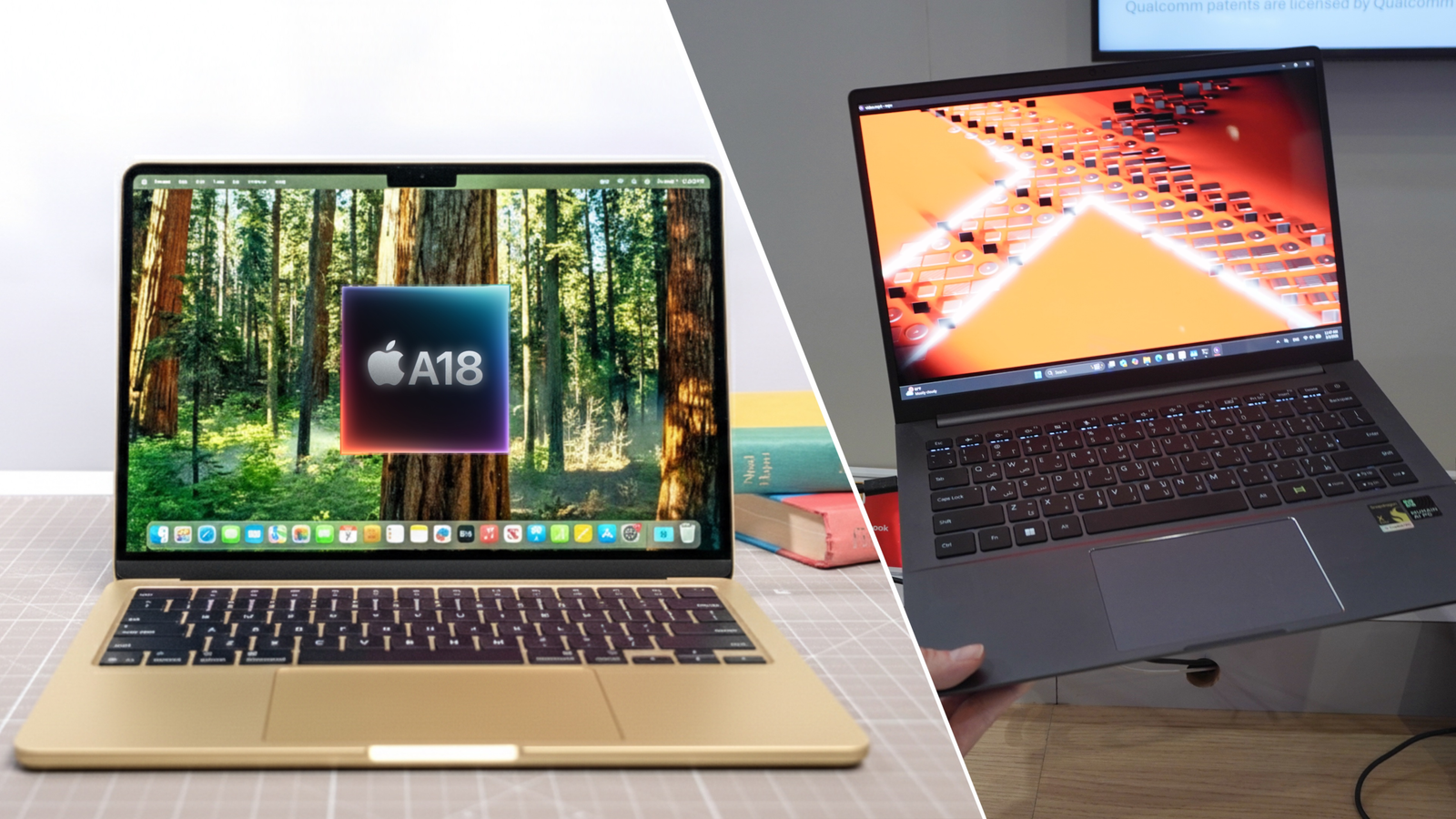
CUPERTINO, Calif. — March 2026 — Apple Inc. has unveiled a sweeping lineup of new products this March, headlined by refreshed MacBooks, the all-new iPhone 17E, and updated iPad models. The announcements signal a continued push toward more powerful in-house silicon, improved connectivity, and expanded options for budget-conscious consumers.
Here’s a complete look at what the company introduced — and what it means for customers.
iPhone 17E: A More Capable Entry Point
The newly announced iPhone 17E expands Apple’s smartphone lineup with a device aimed at delivering flagship-level essentials at a more accessible price.
The 17E features Apple’s latest A-series processor, promising faster performance and improved power efficiency over its predecessor. The device includes a 6.1-inch Super Retina XDR display and a reinforced ceramic front designed for added durability.
Photography receives a notable boost with a 48-megapixel main camera system capable of enhanced low-light performance and advanced computational photography features. Apple has also increased the base storage tier, addressing one of the most common consumer complaints about previous entry models.
MagSafe support returns to the model, expanding compatibility with Apple’s growing ecosystem of magnetic accessories.
The iPhone 17E is positioned as a strategic addition to the iPhone 17 family, offering modern performance without the premium pricing of Pro-level devices.
MacBook Lineup Updated With Next-Generation Chips
Apple also refreshed its MacBook portfolio, introducing updated MacBook Air and MacBook Pro models powered by its next-generation M-series silicon.
The new MacBook Air models focus on improved battery life, faster multitasking capabilities, and enhanced AI processing features built directly into the chip architecture. Meanwhile, the updated MacBook Pro lineup targets creative professionals with stronger GPU performance and expanded unified memory configurations.
Industry analysts note that Apple’s continued transition to more advanced in-house processors strengthens the company’s control over performance optimization and energy efficiency across macOS devices.
Rumors of a lower-cost MacBook variant aimed at students and education markets have also circulated, though full details remain limited.
iPad Air Gets a Performance Boost
In addition to phones and laptops, Apple introduced an upgraded iPad Air powered by its latest M-series chip. Available in two size options, the refreshed tablet is designed to close the performance gap between the Air and Pro models.
The new chip enhances multitasking, creative workflows, and AI-assisted applications. Apple continues to position the iPad Air as a versatile device for students, remote workers, and content creators seeking power without the premium price of the iPad Pro line.
Strategic Timing and Market Impact
Apple’s March announcements arrive at a pivotal time for the technology sector, as companies race to integrate artificial intelligence capabilities more deeply into consumer hardware.
By updating its MacBooks, strengthening its mid-range iPhone offering, and boosting tablet performance, Apple appears focused on reinforcing its ecosystem rather than radically redesigning it. The approach suggests a year centered on refinement, efficiency gains, and broader accessibility.
Investors reacted cautiously in early trading following the announcements, though analysts emphasize that long-term performance will likely hinge on upcoming software updates and AI-focused features expected later in 2026.
What Comes Next
With its spring refresh now underway, Apple is expected to shift attention toward its annual developer conference later this year, where major operating system updates and artificial intelligence enhancements are anticipated.
For consumers, March 2026 marks one of the company’s most comprehensive early-year hardware updates in recent memory — blending performance upgrades, ecosystem expansion, and a renewed focus on value.
More announcements may still follow as Apple continues rolling out products across global markets in the weeks ahead.