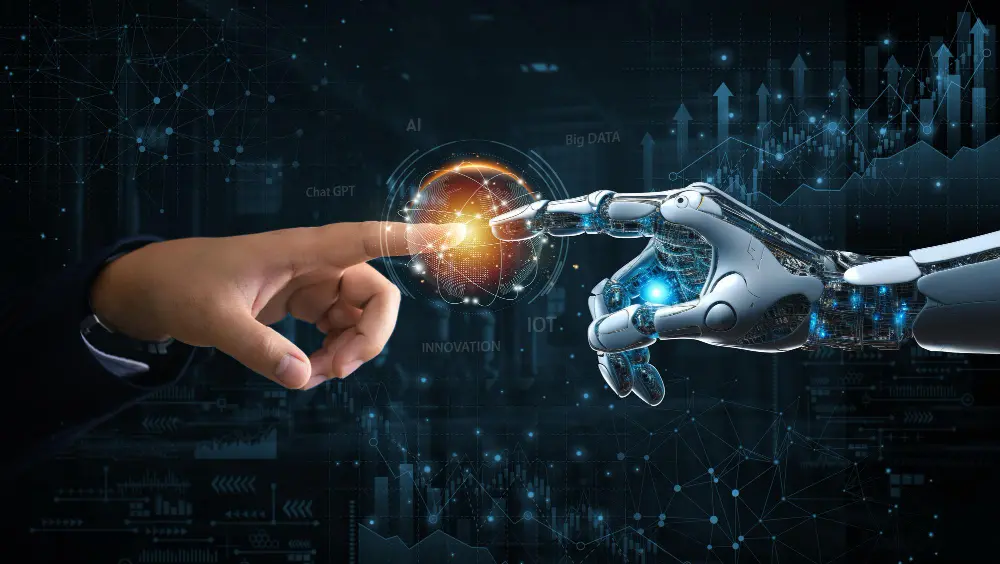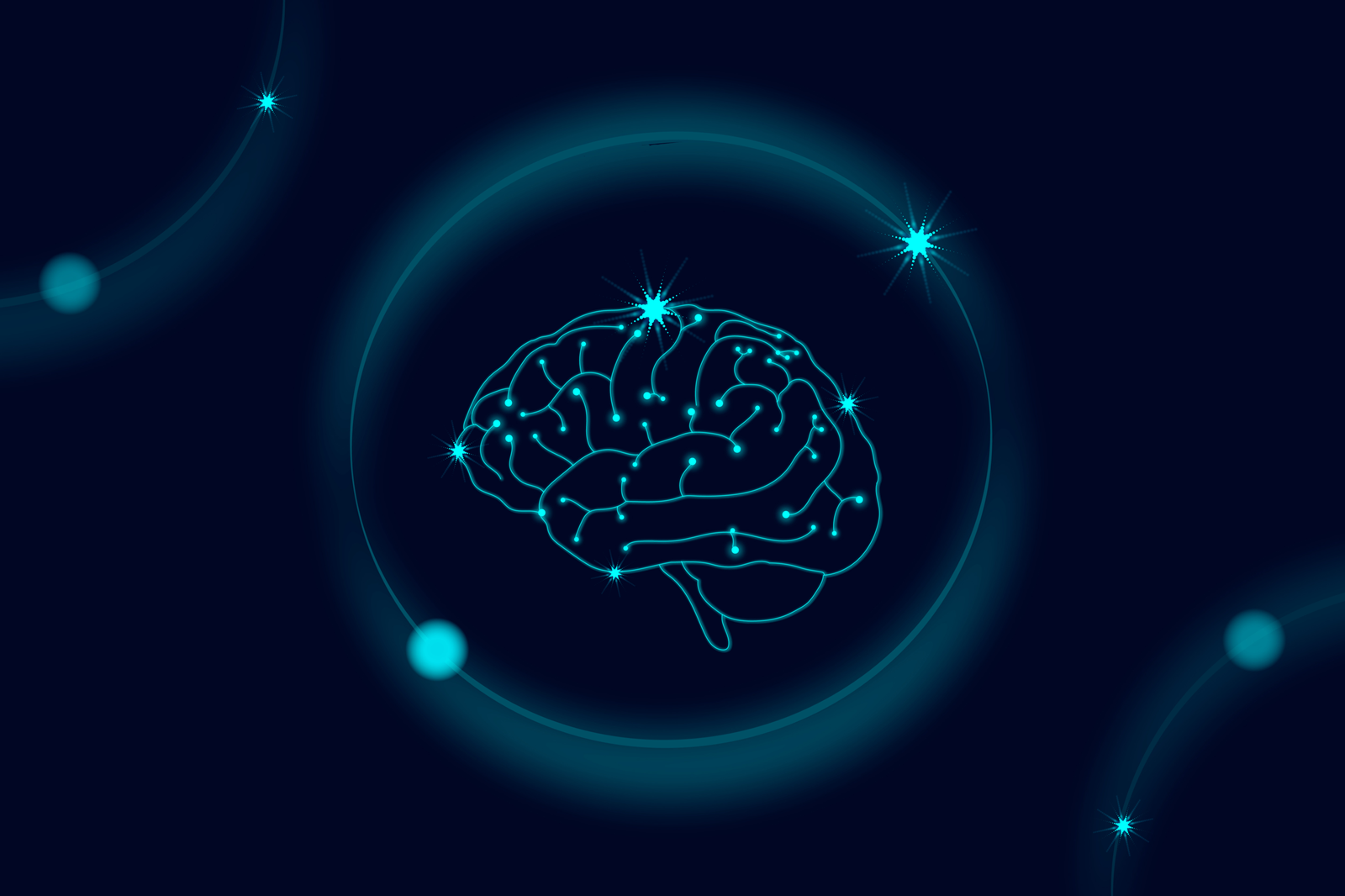
March 2026 — Advances in artificial intelligence are bringing researchers closer to a goal once confined to science fiction: translating human thoughts directly into speech and images. In laboratories around the world, scientists are using cutting-edge AI models combined with brain-computer interface (BCI) technology to decode neural activity and convert it into understandable language, pictures, and even full sentences.
The breakthroughs could transform communication for people who have lost the ability to speak and offer new insights into how the human brain processes language and imagination.
Turning Brain Signals Into Words
Recent research from teams at institutions including Stanford University and University of California, San Francisco has demonstrated that AI systems can analyze patterns of brain activity and convert them into coherent speech.
Using implanted or non-invasive sensors, scientists record electrical signals produced when a person thinks about speaking. Machine learning models are then trained to recognize patterns linked to specific words or sounds. Over time, the system learns to predict intended speech in near real time.
In some trials, participants who were unable to speak due to paralysis were able to generate synthetic voices that closely matched their natural tone. The technology effectively acts as a digital bridge between thought and spoken language.
From Imagination to Images
Beyond speech, researchers are also exploring how AI can reconstruct visual experiences from brain activity. By combining brain scans with generative AI models similar to those used in image creation tools, scientists have successfully recreated rough images of what participants were viewing — or even imagining.
In controlled experiments, volunteers were shown photographs while undergoing functional MRI scans. AI systems analyzed the recorded neural patterns and produced visual outputs that resembled the original images. While the reconstructions are not perfect, they often capture shapes, colors, and overall composition with surprising accuracy.
These advances rely heavily on deep learning architectures capable of identifying complex relationships between neural signals and sensory perception.
The Role of Brain-Computer Interfaces
At the center of this innovation is brain-computer interface technology, which enables direct communication between the brain and external devices. Companies such as Neuralink and research collaborations across leading universities are working to refine implantable and wearable systems that can safely and accurately capture neural data.
Modern BCIs combine neuroscience, engineering, and AI to interpret signals that would otherwise remain indecipherable. Improvements in processing speed and model accuracy have significantly accelerated progress over the past five years.
Life-Changing Potential
For patients with conditions such as ALS, stroke-related paralysis, or severe spinal cord injuries, thought-to-speech systems could restore the ability to communicate independently. Instead of relying on eye-tracking keyboards or slow typing systems, users may eventually be able to “speak” at near conversational speed using only their thoughts.
Researchers also believe the technology could aid in mental health diagnostics, memory research, and even creative applications, such as visualizing dreams or translating conceptual ideas into digital art.
Ethical and Privacy Concerns
Despite the promise, experts warn that decoding brain activity raises significant ethical questions. Safeguarding neural data, preventing misuse, and ensuring informed consent are central concerns as the field advances.
Scientists emphasize that current systems can only interpret brain signals under controlled laboratory conditions and require participant training. They do not “read minds” in a general or unrestricted sense.
A Glimpse Into the Future
While still in early stages, AI-powered neural decoding represents one of the most profound intersections of technology and human biology. As algorithms become more sophisticated and hardware less invasive, the boundary between thought and digital expression may continue to narrow.
For now, what was once imagined in science fiction is steadily becoming scientific reality — one neural signal at a time.