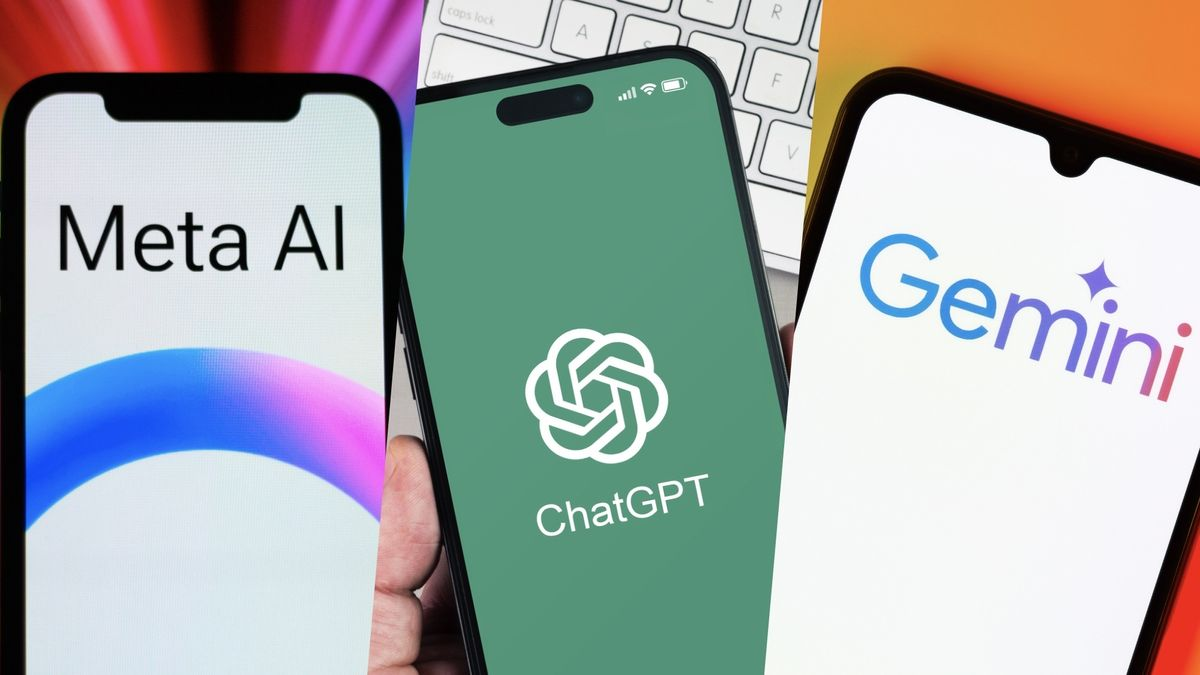
March 2026 — Tech News — Meta Platforms, Inc., the parent company of Facebook, Instagram, and WhatsApp, has unveiled a new artificial intelligence feature aimed at further challenging rival AI services such as OpenAI’s ChatGPT and Google Gemini. The announcement marks Meta’s latest effort to advance its AI ecosystem across social media, messaging, and productivity tools.
Meta’s new capability combines conversational intelligence with enhanced contextual understanding, blurring the lines between social interaction and practical AI assistance. The company positions the feature as an AI companion that can help users with tasks ranging from creative writing and real‑time information retrieval to personalized recommendations and interactive guidance.
A Smarter AI Companion Across Apps
The new Meta AI feature is being integrated into the company’s flagship platforms, including Facebook, Instagram, and WhatsApp. Designed to be accessible within familiar user interfaces, the AI aims to offer more than simple chat responses — it injects contextual insights based on user preferences, recent activity, and multi‑platform signals.
Some headline capabilities include:
- Conversational assistance: Users can ask questions in natural language and receive detailed, context‑aware answers.
- Multimedia understanding: The AI can interpret images and short video clips shared in chats, providing descriptions, annotations, and visual insights.
- Content suggestions: Personalized recommendations for posts, replies, stories, and creative ideas.
- Productivity support: Help with drafting messages, summarizing long threads, and prioritizing tasks.
Meta claims the feature offers a more “conversationally fluid and socially aware” experience compared to previous AI assistants, emphasizing interactions that feel integrated with users’ social lives and digital routines.
Competing With Giants
This rollout represents a direct challenge to OpenAI’s ChatGPT and Google Gemini, both of which dominate the general‑purpose conversational AI market. ChatGPT remains widely used across industries and education, while Google’s Gemini extends AI capabilities into search, image generation, and advanced reasoning.
Meta’s strategy differs by embedding AI across platforms where people already spend large amounts of time, leveraging social context and user preferences to tailor responses. The company argues that this social‑first approach could give it an advantage in relevance and personalization.
Analysts note that Meta’s extensive data footprint, spanning messaging, social graphs, and multimedia interactions, gives it rich context to inform AI responses — but also raises privacy considerations that the company must address responsibly.
Privacy and Safety
Meta says privacy protections are central to the new AI feature. The company states that user data used by the AI will be processed with strict controls, transparency, and user consent. Meta also plans to allow users to tailor data preferences, including toggles for sharing content with the AI engine and visibility of personalized suggestions.
Meta’s update comes amid growing regulatory scrutiny globally over how major tech companies handle personal data — particularly in AI systems that rely on large datasets for training and inference.
Early Reception and Roadmap
Initial responses from users and industry reviewers highlight the feature’s potential convenience but also question how well it will balance personalization with privacy safeguards. Some users have praised its ability to draft and edit messages rapidly, while others express caution over how AI may influence content consumption and social interactions.
Meta says the new AI assistant will be gradually rolled out to user bases across regions, starting with English‑language markets and expanding support for additional languages and localizations in the coming months.
The company also plans to introduce developer tools that allow third‑party apps to tap into the AI feature, potentially broadening its reach beyond Meta’s own platforms.
What It Means for Users
For everyday users, Meta’s new AI feature promises a more interactive and contextually aware digital experience — one that blends social networking with intelligent assistance. Whether the integration will sway users away from dedicated AI tools like ChatGPT and Gemini remains to be seen, but Meta’s deep integration across high‑traffic apps could give it considerable leverage.
As competition intensifies among AI providers, users can expect continued innovation, tighter integration across services, and evolving norms around personalization and privacy in artificial intelligence.